
A bilingual historical archive
The Men of U-869
Discovered 60 miles off the New Jersey coast, the unknown wreck called “U-Who” became one of the most important submarine identification stories of the late twentieth century.
This archive preserves the history of the boat, the divers who identified it, and most importantly the 56 crewmen whose lives are remembered through family photographs, records, and personal histories.
Wreck discovered
Depth of the site
Identity confirmed
Men lost aboard
The unknown wreck
From “U-Who” to U-869
In the fall of 1991, Captain Bill Nagle led divers from the Seeker to an unidentified German U-boat resting far off the New Jersey coast. No wartime record explained why it was there, and early research pointed toward a completely different loss.
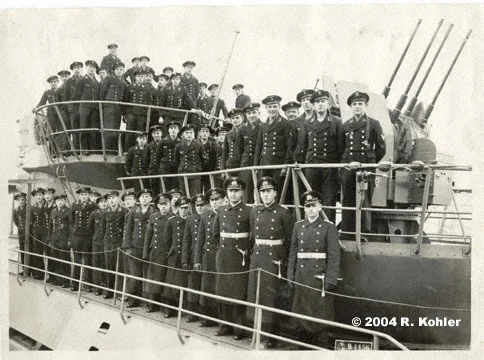
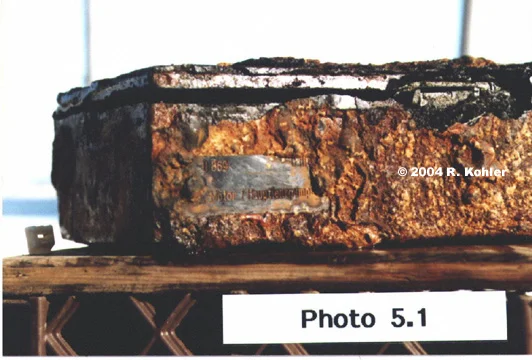
Over six years, John Chatterton, Richie Kohler, John Yurga, Pat Rooney, and others pursued the evidence that finally identified the wreck as U-869, rewriting part of the historical record.
The investigation
Six years of diving, research, and evidence.
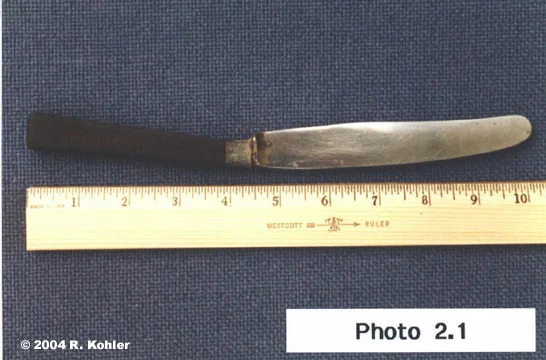
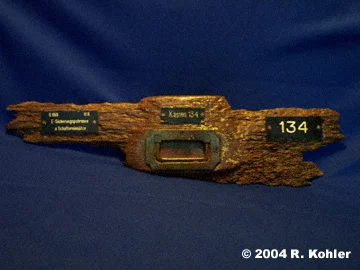
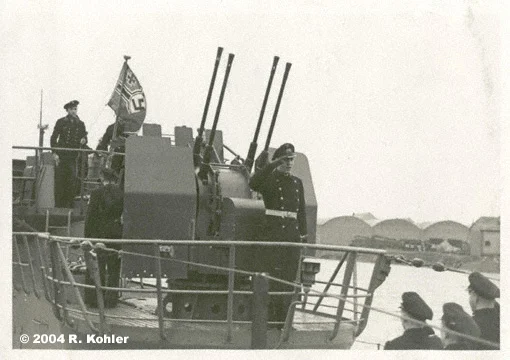
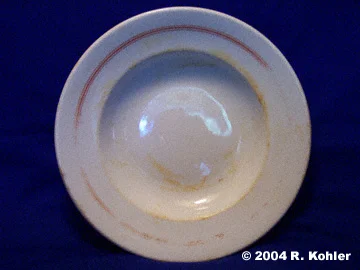
The discovery was only the beginning. The site documents the technical diving, recovered clues, archival work, and family connections that turned an unidentified wreck into a known crew and a corrected history.
1944
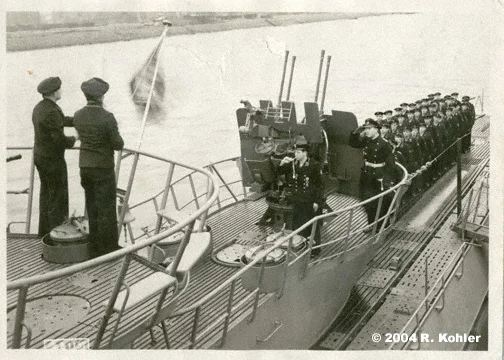
U-869 was commissioned after construction at Bremen and trained in the Baltic before leaving on her first war patrol.
1945
The boat and crew were lost, long believed to have gone down near North Africa until the New Jersey wreck changed the record.
1991
An unknown U-boat was discovered approximately 60 miles off New Jersey in very deep and hazardous diving conditions.
1997
Evidence from the wreck and research ashore conclusively identified the submarine as U-869.
Crew memorial
56
Lives, not only names.
Family photographs, military records, biographies, and recollections help restore individual stories to the men who never came home.
The heart of the archive
Remembering the men of U-869.
Behind every name on the crew list was a life, a family, and a story. The U-869 crew archive brings those individual histories together through photographs, personal correspondence, military records, and the memories preserved by surviving relatives.
Each contribution adds another piece to the historical record, helping us remember the men not simply as members of a submarine crew, but as individuals whose lives extended far beyond their final voyage.
New from the family archive
Beyond the Crew List: The Story of Dr. Ernst Christian Esau
A newly contributed family history offers a remarkable personal perspective on the medical officer aboard U-869.
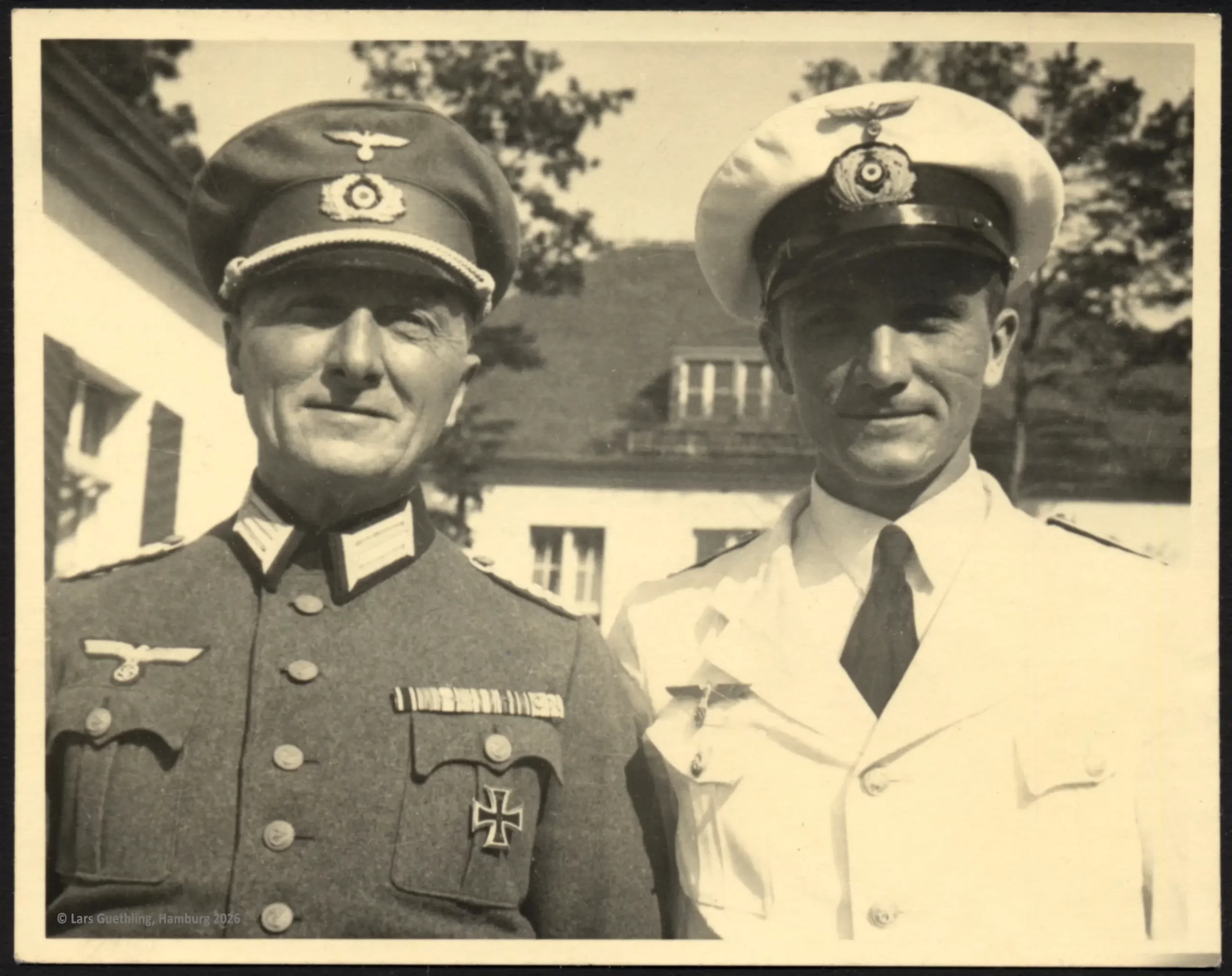
Through an extensive collection of family photographs, personal correspondence, and historical research, Lars Güthling of Hamburg has preserved the story of his great-uncle, Dr. Ernst Christian Esau.
From his childhood in Germany and his years as a physician to his wartime service aboard U-188 and his final voyage aboard U-869, this account provides a deeply personal look at one of the 56 men lost with the submarine.
Presented in both English and German, the family history includes original photographs, personal letters, and Lars Güthling’s reflections on his family’s past.
Explore the archive
Clear paths into the material.
English and German
Preserving both versions of the archive.
The story belongs to visitors on both sides of the Atlantic. The redesign should keep the German archive visible, preserve the existing translated material, and make corresponding English and German pages easier to discover.
Choose your archive
English and German paths into the same story.
Enter the archive in either language, with the existing translated material preserved and treated as part of the historical record.
Credits and preservation
Built from years of help from families, researchers, divers, and translators.
This site should continue to acknowledge the crew families, Herbert Guschewski, the U-boat Archive in Cuxhaven, researchers, documentary teams, and translators whose work made the archive possible.